

TMS Treatment for Anxiety
Just. Feel. Better.
TMS has demonstrated promising results in reducing anxiety symptoms, both independently and when experienced alongside depression.
Anxiety is one of the most common mood disorders, with up to 1 in 4 Canadians affected at some point in their life. Anxiety can often be much more than simply feeling worried or stressed. It can affect how you think, feel, sleep, connect with others, and move through your day, with both psychological and physical symptoms that can interfere with nearly every part of life.
How TMS helps
Research has shown TMS is effective in reducing anxiety symptoms, both when anxiety occurs on its own and alongside depression. Using MRI-strength magnetic pulses, TMS targets brain regions and networks involved in mood, anxiety, and emotional regulation, promoting neuroplasticity and healthier patterns of communication over a course of treatment. TMS is non-invasive and medication-free, offering a different approach for people looking for meaningful relief from anxiety.
Who it’s for
Anxiety can look different for everyone. It may feel like persistent worry or racing thoughts, physical tension and restlessness, or a nervous system that never seems to switch off. TMS may be an option when these symptoms are persistent, disruptive, or keeping you from feeling and functioning at your best. It can be considered whether anxiety occurs on its own or alongside depression, and particularly when other treatments haven’t provided enough relief or have caused difficult side effects. Our physician team will determine whether TMS is a safe and appropriate option for you and personalize treatment to your individual symptoms and goals.
*TMS is not yet a funded treatment in British Columbia.
Considering TMS for anxiety?
Most clients start with a complimentary consultation to learn how we can help.
or call (250) 360-6998
Phone and virtual options are available in addition to in-person consultations.
What the evidence shows
Our own client outcomes for comorbid anxiety, measured with validated clinical tools.
Comorbid anxiety

52%
of clients achieved full remission*
28% had symptom reduction greater than 30%
20% had subclinical response
*Remission: GAD-7 ≤5
Research & references
Peer-reviewed studies on TMS for anxiety.
All links open external sources.
What to expect
Your treatment is designed to feel straightforward and supported from beginning to end. From your initial consultation and assessment through your personalized course of TMS, progress monitoring, and follow-up, our team is with you every step of the way.
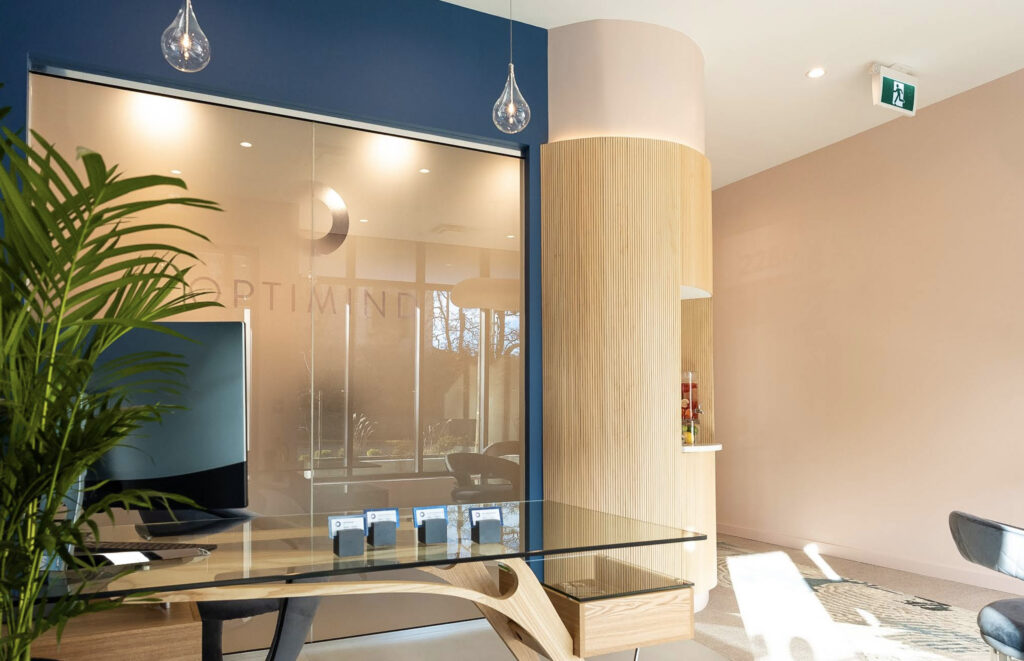
Together, our highly skilled team holds decades of medical and technical expertise.
Frequently asked questions
Can I drive myself home afterward?
Yes. There’s no sedation and no recovery time, so you can return to your normal day immediately, including driving, work, or activities.
Do I need to rest after my TMS treatment?
TMS does not require any scheduled recovery time, and you can drive, work, or return to your usual activities immediately after a session. However, some people do experience fatigue during treatment, particularly with accelerated protocols involving multiple sessions per day. If you feel tired, we encourage you to listen to your body and make time for rest and quality sleep. Rest can help support the brain’s natural processes involved in adapting to and consolidating the changes occurring during treatment.
Does TMS hurt?
TMS is non-invasive, but it is something most people can feel. As the magnetic pulses pass through the scalp, they can stimulate the muscles and nerves beneath the coil, resulting in a tapping or pulsing sensation. This can feel strange at first, but your technician will gradually work up to your prescribed treatment intensity based on your comfort level, and most people find it becomes easier to tolerate over the first several sessions. There is no sedation or recovery time, and you can return to your normal activities immediately afterward.
How long does an appointment take?
Your first TMS appointment typically takes 30-45 minutes to allow enough time for measurements, treatment targeting, determining your personalized treatment dose, and any questions for your technician. After this initial setup, most appointments only take around 10 minutes and consist of a brief check-in followed by the TMS treatment. The stimulation itself is often less than five minutes, although treatment times can vary depending on your individualized protocol.
To learn more about what treatment may look like for your specific symptoms and goals, reach out to book a complimentary consultation with our team.
How long is a course of treatment?
TMS protocols run either once a day over a six to seven-week period, or condensed over five days. Your physician recommends the protocol best suited to you.
I’ve heard of the SAINT Protocol, does Optimind offer accelerated TMS?
Yes. Optimind offers an accelerated TMS program that allows a full course of 30-35 treatments to be completed over just five days rather than the traditional seven weeks.
Our accelerated program is informed by the research behind accelerated TMS protocols, including SAINT, and delivers six to seven carefully spaced treatments per day over five consecutive days. Treatment is individualized and prescribed by our clinic physician based on your symptoms, history, and treatment goals.
Accelerated TMS can be an excellent option for those looking for a more intensive treatment schedule, are from out of town, or who find it difficult to commit to daily appointments over several weeks. We offer complimentary consultations to help determine whether accelerated or standard TMS may be the best fit for you.
What is the typical course of TMS Therapy?
A typical course of TMS consists of approximately 30–35 treatment sessions. At Optimind, treatment can be completed through either a standard or accelerated schedule.
Standard TMS is typically delivered once per day, five days per week, over approximately six to seven weeks. For those who are eligible for accelerated TMS, the same course of treatment can be condensed into just five days, with six to seven carefully spaced sessions per day.
Your treatment schedule and protocol are individualized and prescribed by our clinic physician based on your symptoms, treatment history, and goals.
Other conditions we treat
Take the first step toward feeling better.